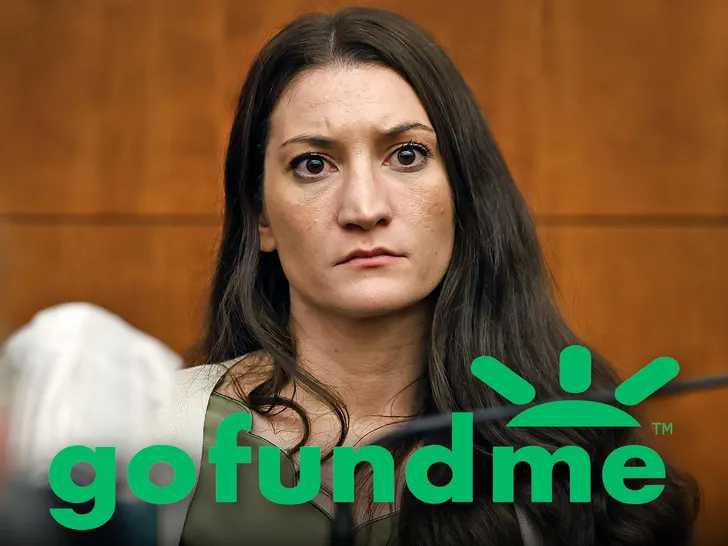
The Musgrove Family Fund was created to support Mike and Paula Musgrove, Lindsay Clancy’s parents. Its organizers say the couple relocated from Connecticut to Massachusetts, attended court proceedings, and used substantial savings over more than three years to remain near their daughter as her case proceeded. The campaign lists a $2 million goal, names Michael Musgrove as the beneficiary, and says that the parents—not Lindsay Clancy—will control the funds. As of the campaign update, it had raised more than $673,000 from over 21,000 donations.
The fundraiser’s message is carefully written to distinguish support for the Musgroves from support for Clancy herself. It explicitly tells potential donors that they do not need to agree with any position on the criminal case. Instead, it frames the request around a familiar human experience: parents standing by an adult child through an overwhelming crisis, even when that loyalty has brought severe financial and emotional consequences.
That distinction matters to supporters. A parent can be devastated by a child’s alleged actions and still love that child. The fund’s organizers argue that Mike and Paula Musgrove have endured losses of their own—retirement stability, savings, routine, privacy, and a sense of normal life—while trying to remain present for their daughter.
But for critics, the distinction may not feel clean or convincing. In a case involving the deaths of Cora, 5; Dawson, 3; and Callan, 8 months, a fundraiser tied so closely to the accused may be impossible for many people to view apart from the tragedy at the heart of the trial. Prosecutors allege that the children were killed with exercise bands in the family’s Duxbury home. Clancy has pleaded not guilty, and her defense has raised questions about her mental condition at the time. The legal case remains unresolved.
To many observers, the message may appear emotionally unbalanced. The fundraiser asks the public to recognize the hardship endured by the accused woman’s parents. But the victims were children, and the public may feel that any appeal for compassion should first—and overwhelmingly—center their loss, their memory, and the people left to mourn them.
That does not mean the Musgroves are forbidden from experiencing pain. It means that public sympathy is not evenly distributed in every tragedy. When children have died and the accused is on trial, people often regard victim-centered support as morally urgent, while aid associated with the defendant’s family can seem mistimed, even if it is legally permissible and sincerely motivated.
Ultimately, the public backlash is likely to stem less from whether Mike and Paula Musgrove have faced hardship and more from what the fundraiser represents. To supporters, it represents parental love under extraordinary strain. To detractors, it risks looking like a multimillion-dollar sympathy campaign built around a family connected to the alleged killing of three children. Until the trial reaches a verdict, that tension will remain impossible to separate from every dollar raised.